Human trafficking is the crime of compelling a person to provide labor or services, or to engage in commercial sex acts, for a perpetrator’s monetary gain. While trafficking can take many forms, traffickers often rely on force, fraud, or coercion to exploit vulnerable people. It is not limited to one region, population, or circumstance and can affect anyone.
This is a pressing national problem. Human trafficking has been reported in all 50 states and the District of Columbia. Homeland Security data reflects that 1 in every 250 people are trafficked, equating to almost 27.6 million people worldwide at any given time. According to the Bureau of Justice, an estimated 199,000 incidents of human trafficking occur annually within the United States, and federal courts have tracked a 73 percent increase in prosecutions since 2013.
That reality matters during large events like the College World Series.
Each year, the College World Series brings between 350,000 and 400,000 in-person spectators to downtown Omaha, filling hotels, restaurants, bars, parking lots, and entertainment areas around Charles Schwab Field. The event is an important celebration of baseball and a major moment for the city. But large crowds, increased travel, and busy entertainment districts can also create opportunities for traffickers and make concerning situations harder to spot.
When we think of college baseball, we think of hot dogs, soda, and the seventh-inning stretch. Instead of just looking out for foul balls, Nebraska officials have warned the public to be alert during the College World Series and to watch for signs of trafficking. Warning signs can include a person who appears fearful, anxious, withdrawn, disoriented, or controlled by someone else. Other concerns may include someone who is not allowed to speak for themselves, lacks access to identification or money, has untreated medical issues, or seems unable to leave freely.
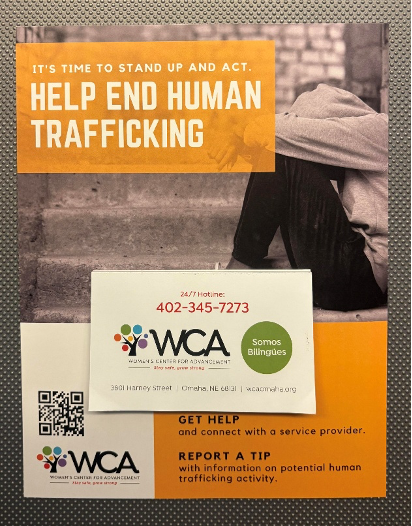
This past month while attending a College World Series game, I noticed a sign from a local women’s center with a hotline number that individuals could call if they needed help themselves or if they wanted to report a tip on potential human trafficking activity. The sign was not the solution by itself. But it reflected an important part of combating trafficking: making sure ordinary people know what to look for and how to report concerns.
Nebraska has spent years building a coordinated response. The Nebraska Human Trafficking Task Force was created in 2015 to coordinate the state’s response and includes law enforcement, prosecutors, service providers, advocates, and community partners. Its work has included training, public education, victim services coordination, proactive operations, and efforts to improve how communities identify and respond to trafficking.
That kind of coordination matters. Human trafficking cases can be difficult to detect, and law enforcement cannot be everywhere at once. A hotel employee, rideshare driver, bartender, restaurant server, stadium worker, security guard, or fan may notice something others miss. One observation may not tell the whole story, but it may provide enough information for someone trained to respond.
The College World Series should remain a celebration of baseball, Omaha, and the fans who make the event special. But public safety does not stop at the stadium gate. Combating human trafficking requires law enforcement, victim services, public education, and community awareness working together. A sign in a restroom is just one small piece of that larger effort.